

Anxious, Highly Sensitive, or Both? How to Decode Your Daughter’s Nervous System

The passenger door slams shut, rattling the coffee in your cup holder. You catch your daughter’s eyes in the rearview mirror—red-rimmed and distant.
“How was your day, honey?”
“Fine.”
The word is a jagged edge, cutting off any chance of conversation. For the rest of the drive home, she doesn’t say a word, but you can feel how tense she is. When you pull into the driveway, she jumps out before the engine stops and impatiently taps her foot while you grab your keys. Her backpack drops onto the bench with a heavy thud.
“Hey, how about we watch that show you like? The one about—”
The sound of her bedroom door slamming shut is the only answer you get.
Your heart sinks. As her parent, this silence is one you’re all too familiar with. You used to brush it off before as her being a typical teenager or it being that time of the month, but deep down you fear there’s more going on beneath the surface.
She’s always been a sensitive kid—deeply affected by the emotions of those around her and often lost in thought—but lately she reminds you more of yourself at her age. The anxious spirals and overthinking. The dark circles beneath her eyes because she can’t turn her brain off at night. The irritability and terse conversations when you’re lucky enough to get a word out of her at all.
At Storied Souls Therapy, I specialize in working with teen girls just like your daughter—girls who are intelligent, caring, and capable, but whose sensitive nervous systems and anxiety leave them feeling fried by the end of the school day, like a battery on critical power saving mode. To understand why your daughter is shutting down and shutting you out, let’s look at her nervous system under stress.
Survival Mode: The Autonomic Stress Response
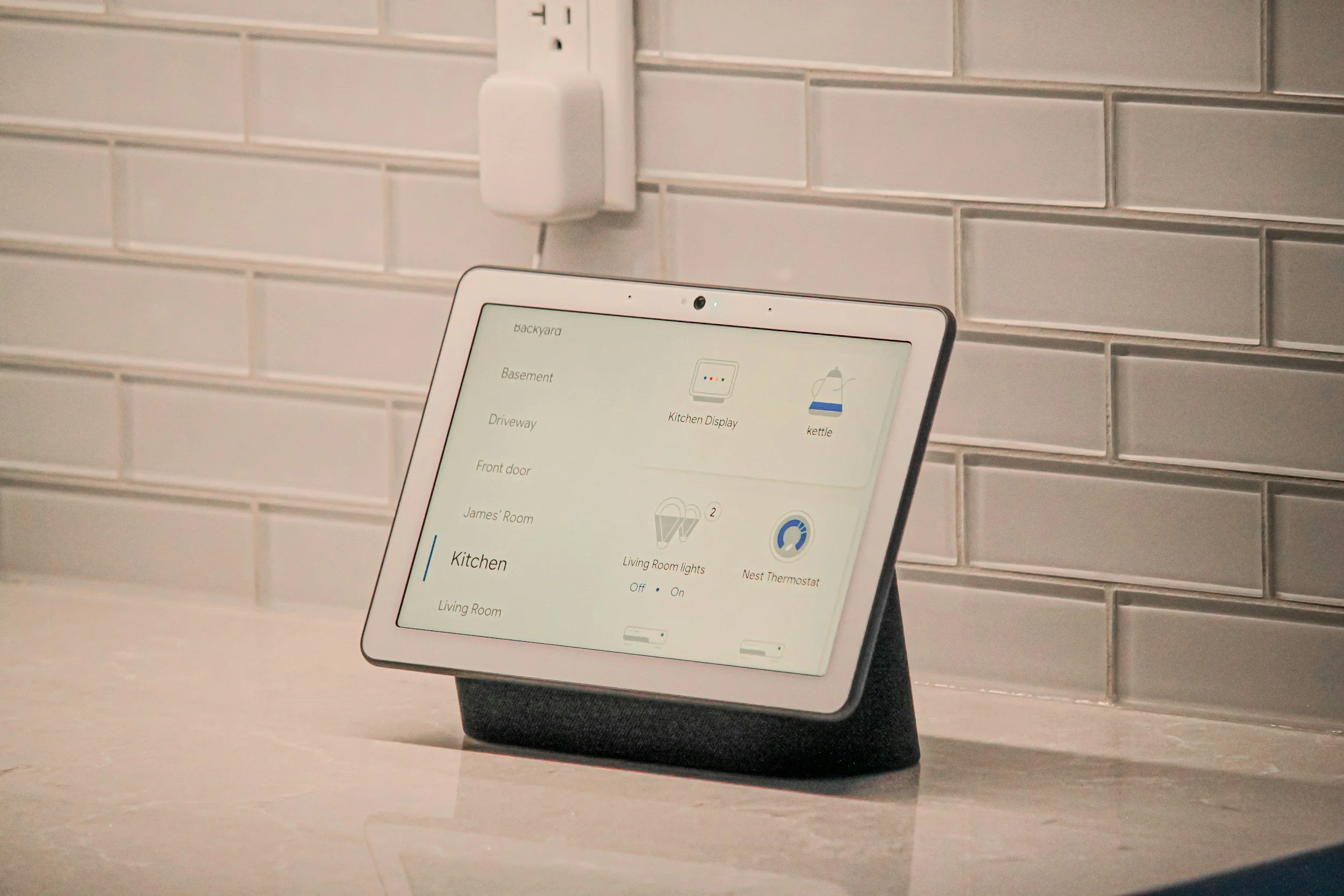
Your daughter’s Autonomic Nervous System is the smart home system of her body. Primarily controlled by the Hypothalamus and the Limbic System (the emotional hub), it is constantly scanning her environment for signs of danger to determine if she should be in a state of mobilization or rest.
The Sympathetic Nervous System is the security alarm. When a threat is detected (a rude comment from a peer, feeling misunderstood or rejected, getting a poor test grade), it sends her into fight, flight, or freeze, preparing her body to take action, just as it would if she came across a bear in the woods. Adrenaline and cortisol flood her body, her heart races, her palms sweat, and she’s incapable of calm, logical thought. Her body is in survival mode.
The Parasympathetic Nervous System is the climate control. When she’s no longer in danger, it returns her to a state where rest and repair is possible. Adrenaline and cortisol levels drop, digestion resumes, her shoulders drop, and she lets out a shaky exhale as the tension begins to leave her body. This is the only state where genuine connection and conversation can happen.
Navigating life as a highly sensitive and anxious teen is an exhausting tightrope walk. Her system processes a significantly higher volume of environmental and social information than others, which is why she’s often fried by the time she gets home from school. While this cycle of overwhelm feels endless, it doesn't have to be.
By using specific somatic tools to manually signal safety to her brain (which we’ll walk through later on in this post) , you can help her shift from a triggered alarm state back into restorative calm. But first, it’s important to identify if your daughter is displaying signs of being a Highly Sensitive Person, symptoms of anxiety, or both.
Signs of a Highly Sensitive Person (HSP)
High sensitivity is a biological trait known as Sensory Processing Sensitivity. Dr. Elaine Aron conducted research on HSPs in the 90’s and found that around 20% of the population is born with this finely-tuned nervous system. It isn't a flaw; it is a unique ability to experience the world more fully than most people. HSPs can be identified with a self-reported test in Dr. Aron’s book (see the references section below) that encompasses the D.O.E.S. framework:
D – Depth of Processing: Does your daughter meticulously dissect and analyze every comment or criticism? Does she notice subtle patterns or changes in her environment that others miss? Does she ruminate on the purpose and intent behind every interaction until she’s mentally exhausted?
O – Overstimulation: Does she seem drained after being in environments with a lot of stimuli (e.g. buzzing fluorescent lights, loud cafeterias and lots of conversations around her all at the same time, pungent smells, etc.)? Does she often need time alone in quiet and calm areas, such as her room, to decompress after a long or mentally taxing day?
E – Emotional Reactivity: Is your daughter a sponge for everyone’s energy and emotions? If her best friend or younger sibling is hurting, does she appear physically affected, too?
S – Sensing the Subtle: Does your daughter tend to notice the little details around her (e.g. the slight sift in your tone or facial expression, the smell of your neighbor’s grill, changes in the weather, the scratchy texture of a clothing tag, etc.)?
Being an HSP is not a diagnosable mental health disorder, but rather a biological trait that someone is born with. If these characteristics sound like your daughter, you likely noticed her sensitivities long before she became a teenager. She was the toddler who fought you at mealtimes with her picky eating. She was the child who complained about the seams in her socks.
As a teenager, she is facing a sensory assault nearly every day in a world that thrives on noise, busyness, and chaos. When her sensitive nervous system becomes overtaxed and drained, like a battery, she shuts down until she can recharge and start feeling like herself again. But anxiety could be the culprit behind your daughter’s drained battery, especially when combined with a highly sensitive nervous system.
Symptoms of Anxiety
Everyone experiences anxiety from time to time. Using the example from earlier, if you see a bear in the woods, it’s natural for our brains and bodies to respond by fighting, running away (flight), or freezing (playing dead). But some people experience anxiety more frequently or more intensely than others, which can lead to diagnoses of anxiety disorders.
Current research suggests that anxiety can be caused by genetics and is often seen running in families; brain chemistry, which is what anti-anxiety medications prescribed by doctors and psychiatrists treat; and trauma/environmental stress. In teen girls, anxiety can take many forms, including perfectionism, unrealistic standards/expectations, overthinking, planning for worst case scenarios, and avoiding school or assignments because of the discomfort they bring.
Whereas HSPs are overwhelmed by environmental stimuli, anxious teen girls are running internal damage control and trying to manage a crisis that hasn’t happened yet. If your teen daughter acts like her life is a fragile house of cards held up by hyper-vigilance and sheer willpower, she may be struggling with anxiety. Here are other symptoms to look out for:
Changes in her mood: If your daughter frequently seems irritable, tense, or has difficulty regulating her emotions, she may be reacting to a battery drained by internal crisis management.
Changes in her sleep: If she has difficulty turning off her brain at night because it’s stuck on re-runs of every awkward thing she’s ever said or done, she may be stuck in an anxious thought spiral.
Changes in her eating habits/appetite: If she’s been eating more than usual, especially when she seems stressed, or she’s been skipping meals because she forgets to eat, it may indicate that she’s struggling with the physical effects of anxiety.
Telling your daughter not to be anxious isn’t working, and neither is hoping that her anxiety goes away on its own. If your daughter’s anxiety is affecting her ability to engage in school, relationships (family, friends, classmates, dating), and hobbies/interests, it’s already costing her more than enough. In my work with teen girls, I provide grounded, thoughtful therapy designed to help your daughter move from survival mode into a steadier and more sustainable life.

Decoding Your Daughter’s Nervous System
We’ve walked through the signs of a Highly Sensitive Person (HSP) and the symptoms of anxiety, so how are you supposed to know what your daughter is struggling with? What is causing her to shut down and lock herself in her room each day? And how do you help her?
You know your daughter better than anyone and your parental instincts are your greatest strength here.
If you believe your daughter may be an HSP, you can read Dr. Aron’s book, The Highly Sensitive Person: How To Thrive When The World Overwhelms You, together. There’s a self-reported test your daughter can fill out near the beginning and see if she meets the criteria to be an HSP. If she is an HSP, there’s no medical or mental health diagnosis for it because it’s not a disorder or a flaw; it’s the unique way she’s wired. Therapy can still be beneficial in helping her learn how to navigate her sensitive nervous system in a way that’s more proactive and sustainable, instead of always responding to an already depleted battery.
If you believe your daughter may have anxiety, I recommend talking to her pediatrician about your concerns. They can run tests to rule out medical conditions, such as thyroid or vitamin deficiencies, that may be causing her symptoms, and if there’s no medical cause, they can refer you to mental health providers in your area. You can also find mental health providers through a Google Search, on Psychology Today or Mental Health Match, and by talking to your church or your daughter’s school for referrals. You should ask for a mental health provider licensed in your state who specializes in working with anxious teen girls.
If you believe your daughter may be both, I would be honored to work with her in therapy. I help teen girls accept the beauty of a sensitive nervous system while providing tools to challenge the negative thought patterns and triggers that fuel their anxiety.
If you or your daughter are not ready for therapy yet, that’s okay! Learning more about what’s going beneath the surface of your daughter’s emotions and behaviors is the first step. If you ever change your mind, I offer a free 15-minute phone consultation for parents to discuss their concerns and see if I’m the right therapeutic fit for their daughter.
Below, we’ll explore evidence-based tools that you can use with your daughter to help her move out of dysregulation and overwhelm into feeling more grounded and steady.
Evidence-Based Tools for Parental Connection
Since your teen daughter’s overwhelm is rooted in her overtaxed nervous system, logic won’t reach her until her body feels safe. Somatic tools help her switch from her sympathetic nervous system (fight, flight, freeze) into her parasympathetic nervous system (rest and digest):
Reduce the Sensory Input: Turn off the radio in the car when you pick her up from school unless she asks for it. Keep the car at a comfortable temperature (not too hot, not too cold). When you get home, lower the lights and turn off background noise so that her nervous system has a chance to breathe without trying to filter through even more stimuli.
The Transition Buffer: On the drive home, allow for at least ten minutes of total, low-demand silence. Don't ask about her day; let her finish processing it first.
Coregulation & Deep Breathing: If you are calm and regulated, your daughter will have an easier time regulating her emotions, no matter how messy and jumbled they may feel in the moment, thanks to the magic of mirror neurons. Try speaking in a soothing, quiet voice and modeling a deep breathing exercise known as Box Breathing with her: inhale for 4 seconds > hold for 4 seconds > exhale for 4 seconds > hold for 4 seconds > repeat several times until you notice her seeming less tense. Deep breathing exercises like this are one of the best ways to switch into her rest and digest nervous system because it manually stimulates the Vagus Nerve, sending a direct safety signal to the brain.
Grounding Tools: Offer her chilled water when she gets in the car and encourage her to take a few sips if she seems receptive to it. Consider keeping a weighted blanket or sweater in the car for her so she can have that steady sensory feedback on her skin that tells her brain she’s safe. When you get home and she’s had a chance to decompress in her room, you can offer a tight hug/squeeze if she hasn’t asked for one already, but honor her “no” if that’s too much right now.

Transformation: Moving Toward a Steady Home
What does it look like when we get this right? The car ride doesn’t become movie-perfect overnight. But the slam softens. Because she feels seen rather than judged, she begins to trust her own skin again.
Transformation looks like a daughter who can eventually say, “Mom, I’m overstimulated” or “Dad, I’m feeling really anxious about my test tomorrow” instead of exploding. It looks like a parent who feels empowered with clinical tools rather than helpless. When we honor the way she was built, her nervous system stops being something to dread and starts becoming her greatest source of depth and connection.
Key Takeaways:
Biology Over Behavior: Her outbursts are automated survival responses, not character flaws. Look past the door slams to a nervous system stuck in survival mode.
The Sensitivity Tax: Processing a higher volume of social and environmental information is exhausting for HSPs. By the time she gets home, her internal battery is on critical power saving mode.
The Stuck Alarm: For the anxious girl, the security alarm (Sympathetic Nervous System) is perpetually active, causing her to view minor stressors as significant threats.
Safety Before Logic: You cannot reason with a blaring alarm. Connection is biologically impossible until her climate control (Parasympathetic Nervous System) is restored.
Your calm is her most powerful tool: By practicing co-regulation, you help her manually shift from a state of crisis back to restorative calm.
Explore a More Sustainable Way Forward
You do not have to navigate the slamming doors alone. I specialize in helping teen girls find their steady in a world that feels overwhelming. Together, we can decode her nervous system and provide the tools to move from shutting down to thriving. Click the button below to schedule a free 15-minute phone consultation for parents.
Further Reading
Aron, E. N. (1996).The Highly Sensitive Person: How to Thrive When the World Overwhelms You. Broadway Books.
Aron, E. N. (2002).The Highly Sensitive Child: Helping Our Children Thrive When the World Overwhelms Them. Broadway Books.
Verywell Mind articles on Anxiety Coping Skills & Grounding Skills
Please note: This post is for educational purposes and is not a substitute for professional mental health care. Use of this site does not create a therapist-client relationship.